 Cartilage
 Knees
Knees Hip
Hip Shoulder
Rebuilding Mobility After ChondroFiller Treatment
28/02/26


Living with moderate knee osteoarthritis (OA) can be tough, especially for those hoping to avoid or delay knee replacement surgery. As the condition progresses, pain and stiffness often limit movement, making everyday activities more challenging and impacting quality of life. Recently, there’s been growing interest in treatments that manage symptoms effectively without surgery, allowing people to stay active for longer. Among these options, Arthrosamid has emerged as a promising choice. In this article, we’ll explore how Arthrosamid can act as a “bridge,” helping patients maintain their quality of life, keep working, and continue enjoying hobbies – all while potentially postponing the need for surgery.
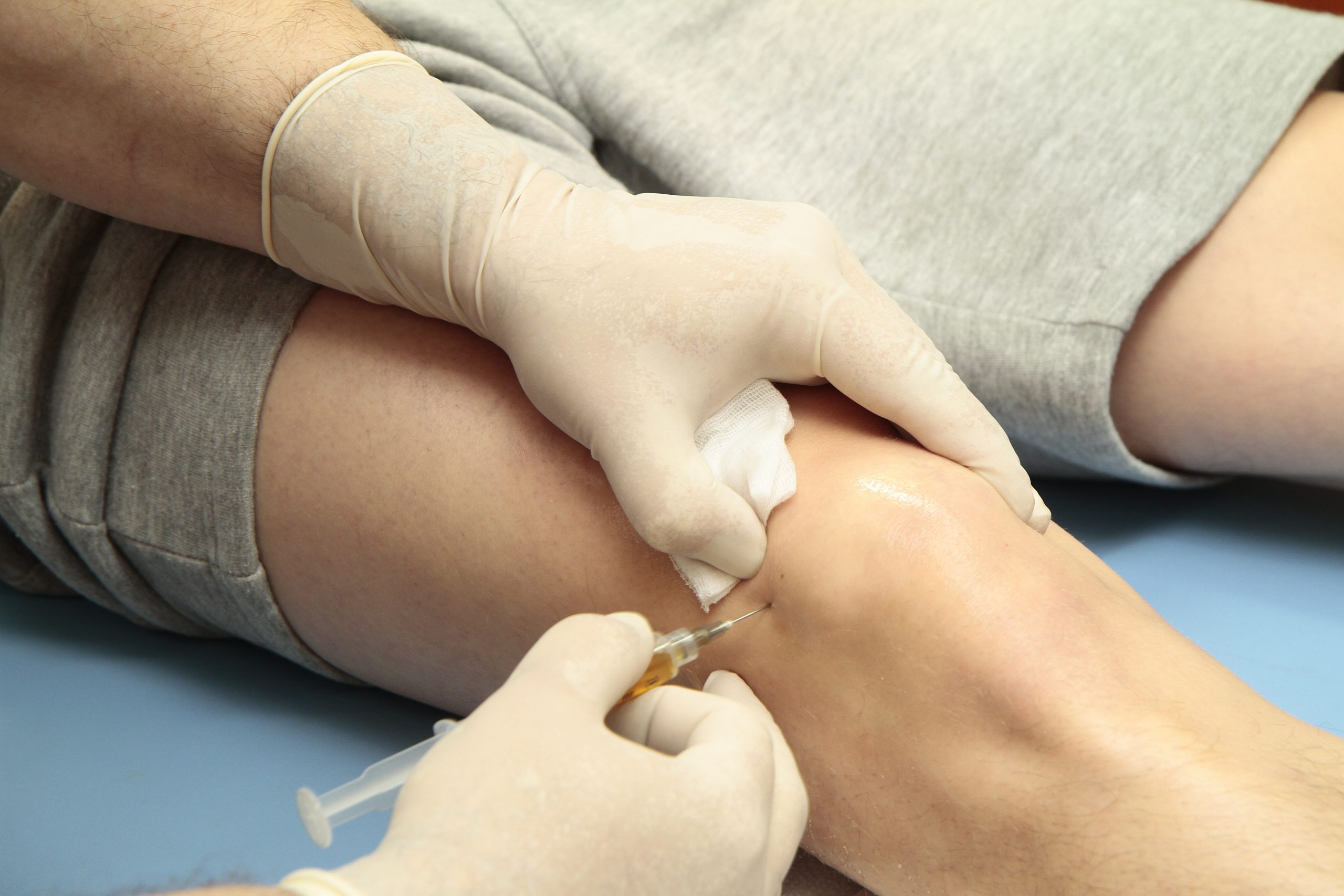
Arthrosamid is a gel-like substance injected directly into the knee joint. Made from a material called polyacrylamide hydrogel, it acts as a cushion to support and protect the damaged cartilage found in osteoarthritis. By improving lubrication and absorbing shocks inside the joint, Arthrosamid can reduce pain and improve mobility. Unlike surgery, which involves repairing or replacing parts of the joint, this treatment is minimally invasive and focuses on easing symptoms and helping the knee function better.
Arthrosamid sits alongside other non-surgical treatments like physiotherapy and traditional injections, but it offers a unique combination of benefits. It is often recommended for people with moderate OA seeking alternatives to surgery. The treatment is supported by the expertise of Professor Paul Lee, an experienced orthopaedic surgeon, and the patient-centred care at the London Cartilage Clinic. Together, they provide a trustworthy environment for patients considering new treatment avenues.
If you have moderate knee osteoarthritis and want to manage symptoms without rushing to surgery, Arthrosamid may be a good fit. When we call it a “bridge option,” it means this treatment helps to relieve pain and improve joint function for now, with the aim of delaying more invasive procedures in the future – rather than offering a cure.
Research highlights that Arthrosamid works especially well in certain patient groups. As noted in recent studies, “the intra-articular polyacrylamide hydrogel (PAAG) injection branded Arthrosamid® has been known to be safe and efficacious in knee osteoarthritis (OA) patients.” Furthermore, experts have pointed out there is still much to learn about which patients benefit most, but ongoing studies are helping to clarify who stands to gain the greatest improvements.
For many, Arthrosamid can help ease discomfort enough to stay active, keep working, and continue hobbies that might otherwise be limited by pain. This support for maintaining daily activities plays a huge role in preserving a good quality of life. At the London Cartilage Clinic, Professor Lee and his team provide personalised guidance, helping each patient understand whether this non-surgical pathway suits their individual needs.
Managing moderate knee OA typically involves a range of non-surgical options like physiotherapy, weight management, and injections such as corticosteroids or hyaluronic acid. While helpful, these sometimes offer only short-term relief or aren’t suited to every patient.
Hyaluronic acid injections are commonly used to postpone surgery, but a large study involving over 30,000 patients found “no significant difference in the likelihood of surgical interventions between low-, moderate-, and high-molecular-weight hyaluronic acid users after accounting for empirically derived confounders” (Shewale et al., 2017). This suggests that the type of hyaluronic acid might not greatly affect if or when surgery becomes necessary.
Arthrosamid, however, is a different kind of treatment that has shown encouraging results for symptom relief and joint function. The London Cartilage Clinic, led by Professor Lee, carefully assesses which patients could benefit most from Arthrosamid, ensuring every treatment plan is tailored to the individual.
One of the practical advantages of Arthrosamid is its potential to help patients stay active, keep working, and enjoy their hobbies for longer — aspects that make a real difference to everyday life.
Patients considering Arthrosamid can expect to experience reduced pain and better joint movement, which often leads to an improved quality of life. The treatment is generally well tolerated, especially when delivered by specialists such as Professor Lee and his team at the London Cartilage Clinic.
It’s important to remember that while Arthrosamid can relieve symptoms for many people, it doesn’t cure osteoarthritis or completely halt its progression. Results may vary, and in some cases, surgery may eventually be necessary. Research continues to explore exactly which patients are most likely to benefit from Arthrosamid’s particular approach.
If you’re thinking about Arthrosamid, the best first step is to consult a qualified healthcare professional who can assess your knee condition and discuss the most suitable treatment options.
For individual medical advice, please consult a qualified healthcare professional.
This article provides a clear overview of Arthrosamid as a non-surgical bridge option for moderate knee osteoarthritis, highlighting how it may help improve quality of life and delay surgery under expert care.
Gao, H. C. K., Akhtar, M., Creedon, C., Nar, Ö. O., & Lee, P. Y. (2025). THE IMPACT OF PATIENT FACTORS ON THE MINIMAL CLINICALLY IMPORTANT DIFFERENCE OF ARTHROSAMID POLYACRYLAMIDE HYDROGEL INJECTION FOR KNEE OSTEOARTHRITIS: A COHORT STUDY. Journal of Osteoarthritis and Cartilage. https://doi.org/10.1016/j.joca.2025.02.648
Shewale, A. R., Barnes, C. L., Fischbach, L., Ounpraseuth, S., Painter, J. T., & Martin, B. C. (2017). Comparison of Low-, Moderate-, and High-Molecular-Weight Hyaluronic Acid Injections in Delaying Time to Knee Surgery. The Journal of Arthroplasty, 32(10), 2952-2957.e21. https://doi.org/10.1016/j.arth.2017.04.041
Arthrosamid offers symptom relief and improved joint mobility without surgery. Administered by experts like Professor Lee at London Cartilage Clinic, it helps many patients prolong daily activities and maintain quality of life, making it a valuable non-surgical bridge treatment.
The London Cartilage Clinic provides patient-centred care led by Professor Paul Lee, a renowned cartilage expert. This specialist expertise ensures tailored assessments and guidance, optimising treatment benefits for each patient considering Arthrosamid as part of their management plan.
Patients with moderate knee osteoarthritis, seeking to avoid or delay surgery, may benefit. Professor Lee and his team offer personalised evaluation to help individuals determine if Arthrosamid could support their mobility and lifestyle while managing joint pain more effectively.
Professor Paul Lee, a Regional Surgical Ambassador and expert in cartilage care, provides advanced knowledge and practical experience. His recognition by the Royal College of Surgeons enables him to deliver high-quality, trusted care with Arthrosamid for osteoarthritis patients at the clinic.
Arthrosamid is generally well tolerated, with many patients at London Cartilage Clinic experiencing reduced pain and better joint movement. However, while it helps manage symptoms, it does not cure osteoarthritis or guarantee avoidance of future surgery. Regular reviews and expert guidance are important.
All our treatments are selected to help patients achieve the best possible outcomes and return to the quality of life they deserve. Get in touch if you have any questions.
At London Cartilage Clinic, we are constantly staying up-to-date on the latest treatment options for knee injuries and ongoing knee health issues. As a result, our patients have access to the best equipment, techniques, and expertise in the field, whether it’s for cartilage repair, regeneration, or replacement.
For the best in patient care and cartilage knowledge, contact London Cartilage Clinic today.
At London Cartilage Clinic, our team has spent years gaining an in-depth understanding of human biology and the skills necessary to provide a wide range of cartilage treatments. It’s our mission to administer comprehensive care through innovative solutions targeted at key areas, including cartilage injuries. During an initial consultation, one of our medical professionals will establish which path forward is best for you.
Contact us if you have any questions about the various treatment methods on offer.
Legal & Medical Disclaimer
This article is written by an independent contributor and reflects their own views and experience, not necessarily those of londoncartilage.com. It is provided for general information and education only and does not constitute medical advice, diagnosis, or treatment.
Always seek personalised advice from a qualified healthcare professional before making decisions about your health. londoncartilage.com accepts no responsibility for errors, omissions, third-party content, or any loss, damage, or injury arising from reliance on this material. If you believe this article contains inaccurate or infringing content, please contact us at [email protected].